Can Foreigners Own Property in Thailand?
Yes, with one hard limit: a foreigner can own a condo unit or a building, never land. The three legal routes, the costs and the documents the Land Office asks for.


Yes. A foreigner can own a condominium unit outright and can own a house as a building. What a foreigner cannot own is land. Every legal route below follows from that one rule, so the right route depends on what you are buying.
Route 1. A condo unit in your own name (freehold)
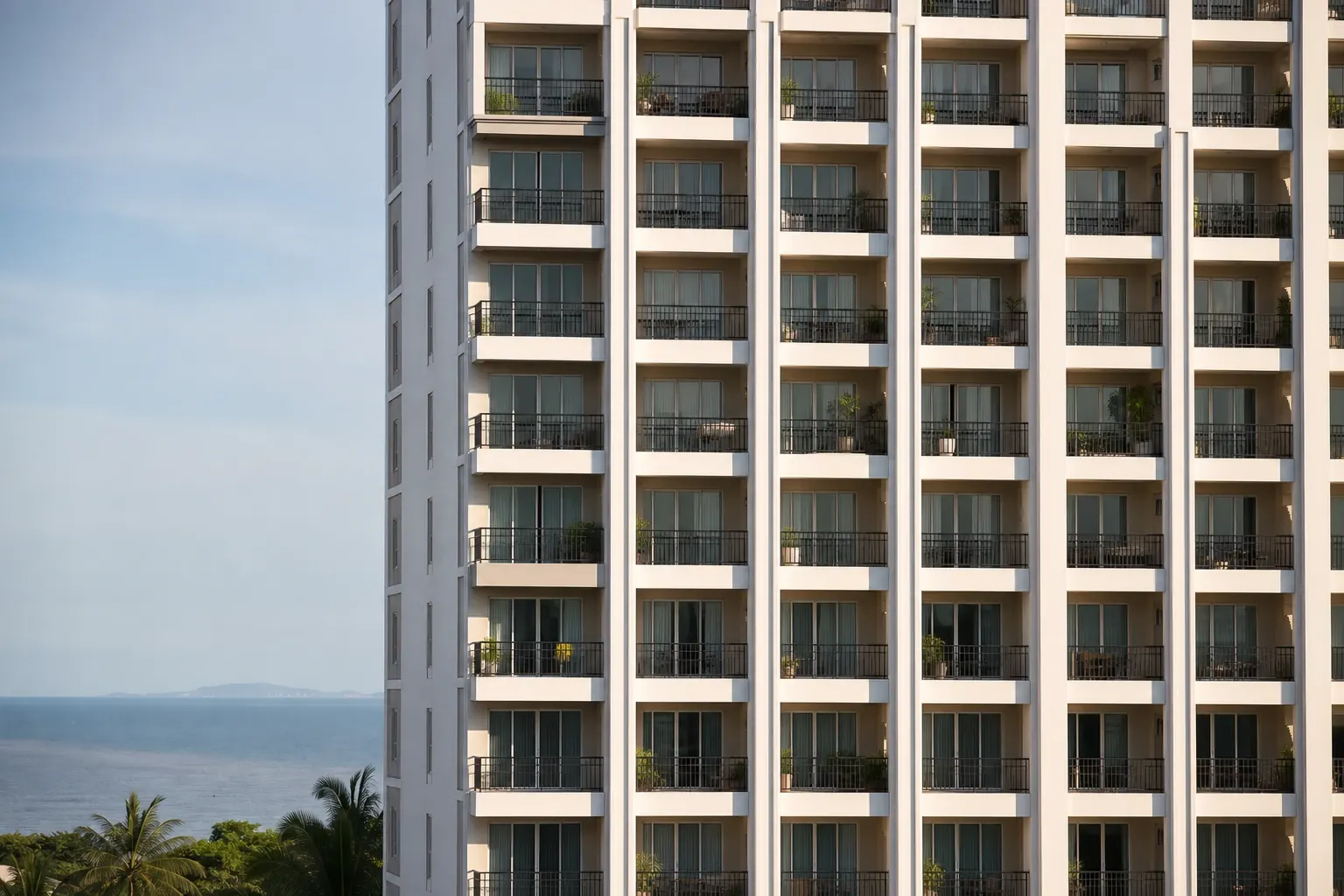
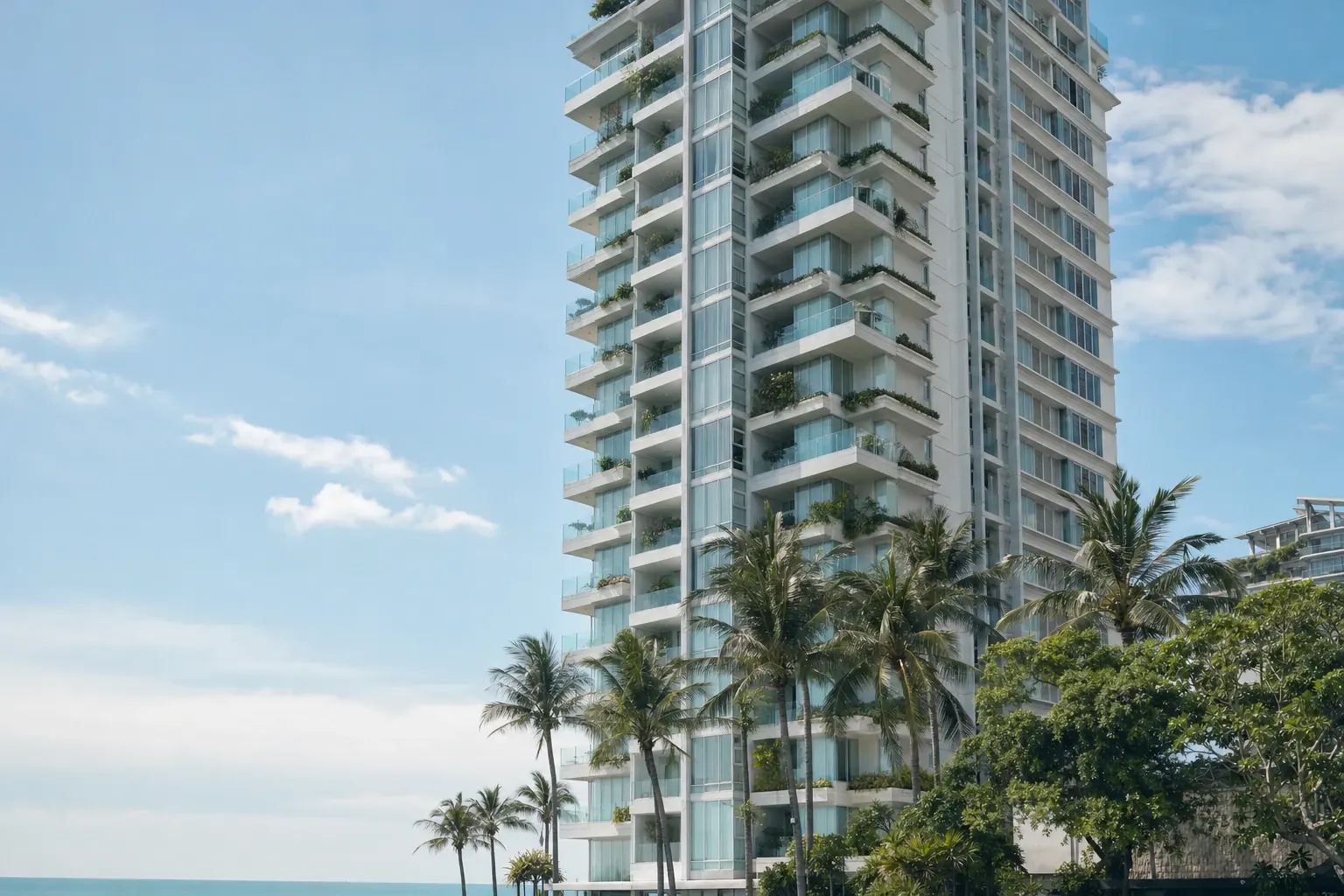
This is how most foreign buyers in Pattaya own property. The Condominium Act allows foreigners to own units in a registered condominium as long as foreign owners together hold no more than 49% of the building's saleable floor area. The other 51% is the Thai quota.
A unit bought within the foreign quota is registered in your name at the Land Office. You receive a title deed for the unit, which you can sell, mortgage, rent out or leave to your heirs.
Two conditions come with it:
- The money must come from abroad, in foreign currency. The Thai bank that receives it issues a Foreign Exchange Transaction form (FET) for each transfer of USD 50,000 or more, and a credit advice letter for smaller ones. Without these documents the Land Office will not register the unit in a foreigner's name.
- The building must still have foreign quota left. If it is full, the unit can only be registered to a Thai owner. Our guide to the foreign quota explains how to check it.
Route 2. A house or villa on leased land (leasehold)
Land can be leased to a foreigner for up to 30 years. A lease longer than three years is enforceable only if it is registered at the Land Office; registration costs 1% of the total rent plus 0.1% stamp duty.
The house itself can belong to you. If you build it, the construction permit is issued in your name; if you buy an existing house, ownership of the building is registered separately from the land.
Developers often advertise "30 + 30 + 30 years". Only the first 30-year term is registered. The renewals are a promise in the contract between you and the landowner, and Thai courts have generally treated such promises as a personal obligation that does not bind a new owner of the land. Read them as a commitment in good faith, not a guarantee.
Route 3. A Thai company
A Thai limited company can own land, and a foreigner can hold up to 49% of its shares. The structure is legal only when the Thai shareholders are real investors and the company runs a real business. Using Thai nominees to hold shares on a foreigner's behalf is a criminal offence under the Foreign Business Act and the Land Code, and the Land Office now asks Thai shareholders to show where their money came from.
For a holiday home or a rental condo this route adds yearly accounting, audit and tax filings and gives you nothing that a freehold condo or a registered lease does not. We do not recommend it to private buyers.
What about the 75% quota and 99-year leases?
Since 2024 the government has discussed raising the condo quota to 75% and extending leases to 99 years. As of October 2026 neither change has become law. Until it appears in the Royal Gazette, plan around 49% and 30 years.
Documents for the transfer
From you:
- your passport (a tourist entry stamp is enough, no special visa is needed to buy);
- an FET form or credit advice for every payment from abroad;
- a power of attorney, if someone registers the purchase for you.
From the seller or developer:
- the title deed of the unit or the land;
- for a condo, a letter from the building's juristic person confirming that common fees are paid and that the foreign quota has room for your unit;
- the seller's ID or company documents.
Typical transfer costs in Pattaya: a transfer fee of 2% of the Land Office's appraised value, split 50/50 in most developer projects, plus the seller's taxes, which are specific business tax of 3.3% if the seller has owned the property for less than five years (otherwise stamp duty of 0.5%) and withholding tax. Who pays what is set in the contract, so check it before you sign.
How we help
Before you pay a deposit we check the title at the Land Office, get the foreign quota confirmed in writing and send you the exact wording your bank should use for the transfer. If you cannot fly in, the whole purchase can be done from abroad: see how a remote purchase works.
Looking for a condo you can own in your name? Browse new projects in Pattaya or get a shortlist in your messenger.
Explore your dream home today
Browse condos, apartments, and investment properties across Pattaya — from beachfront residences to modern city living.