How Off-Plan Payment Plans Work in Thailand: A Buyer’s Guide
Reservation fee, contract deposit, construction instalments and the final payment: how off-plan condo payment plans work in Pattaya, with a ฿5 000 000 example.
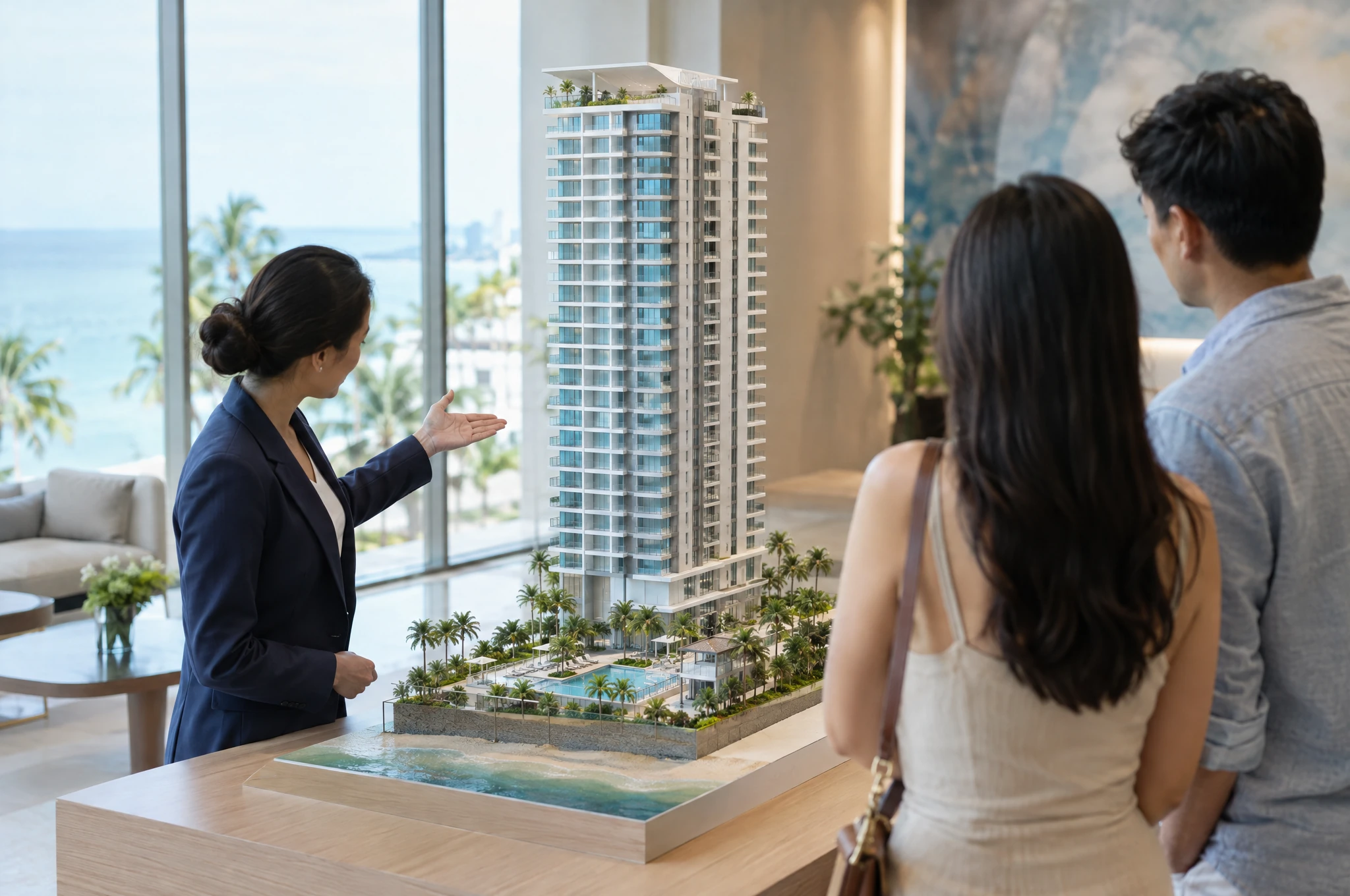
Short answer: an off-plan payment plan splits the price of a new condo into stages. You pay a reservation fee to secure the unit, a deposit when you sign the Sale and Purchase Agreement, instalments while the building goes up, and the balance when the condo is completed and transferred to you. The percentages and dates differ by developer, so the contract, not the brochure, sets the terms.
Buying a condominium in Thailand before construction is completed can be an attractive option. New developments often offer modern facilities, a choice of units and the opportunity to secure a property at an early-stage price.
One of the main advantages of buying off-plan is the payment structure. Instead of paying the entire purchase price immediately, buyers can usually spread payments over several stages. However, every developer has its own payment conditions, and understanding how these plans work is essential before making a commitment.
Below is the typical payment process for off-plan condominiums in Pattaya, what each stage involves and what to consider before signing a contract.
What is an off-plan property?
An off-plan property is a condominium purchased before it has been fully constructed. The buyer selects a unit based on the developer’s plans, specifications, project information and, where available, a show unit.
The purchase starts with a reservation, followed by a Sale and Purchase Agreement (SPA). Payments are then made according to the schedule in the contract. Ownership is generally transferred only after the project is completed, the required conditions are met and the final payment is made.
How does an off-plan payment plan work?
Although payment schedules differ between projects, the process typically has four main stages.
1. Reservation fee
The first step is reserving the selected unit. The buyer pays a reservation fee to the developer. This payment temporarily secures the unit and usually fixes its price for the reservation period. The reservation fee is generally credited toward the purchase price. The amount varies with the project, the unit and the developer’s conditions.
Before making this payment, confirm:
- Whether the reservation fee is refundable.
- How long the reservation remains valid.
- The deadline for signing the Sale and Purchase Agreement.
- Whether the advertised price and promotions are confirmed in writing.
2. Sale and Purchase Agreement and initial deposit
After the reservation, the buyer signs the Sale and Purchase Agreement. The contract sets the essential terms of the deal, including:
- Purchase price and payment schedule.
- Unit number, floor and area.
- Construction completion and transfer conditions.
- Specifications and included features.
- Conditions for cancellation and default.
- Who pays the transfer fees and other expenses.
At this stage the buyer usually makes an additional payment. The reservation fee is normally deducted from the total due under the contract, not charged on top of the price. The exact amount and deadline depend on the developer’s terms.
3. Instalments during construction
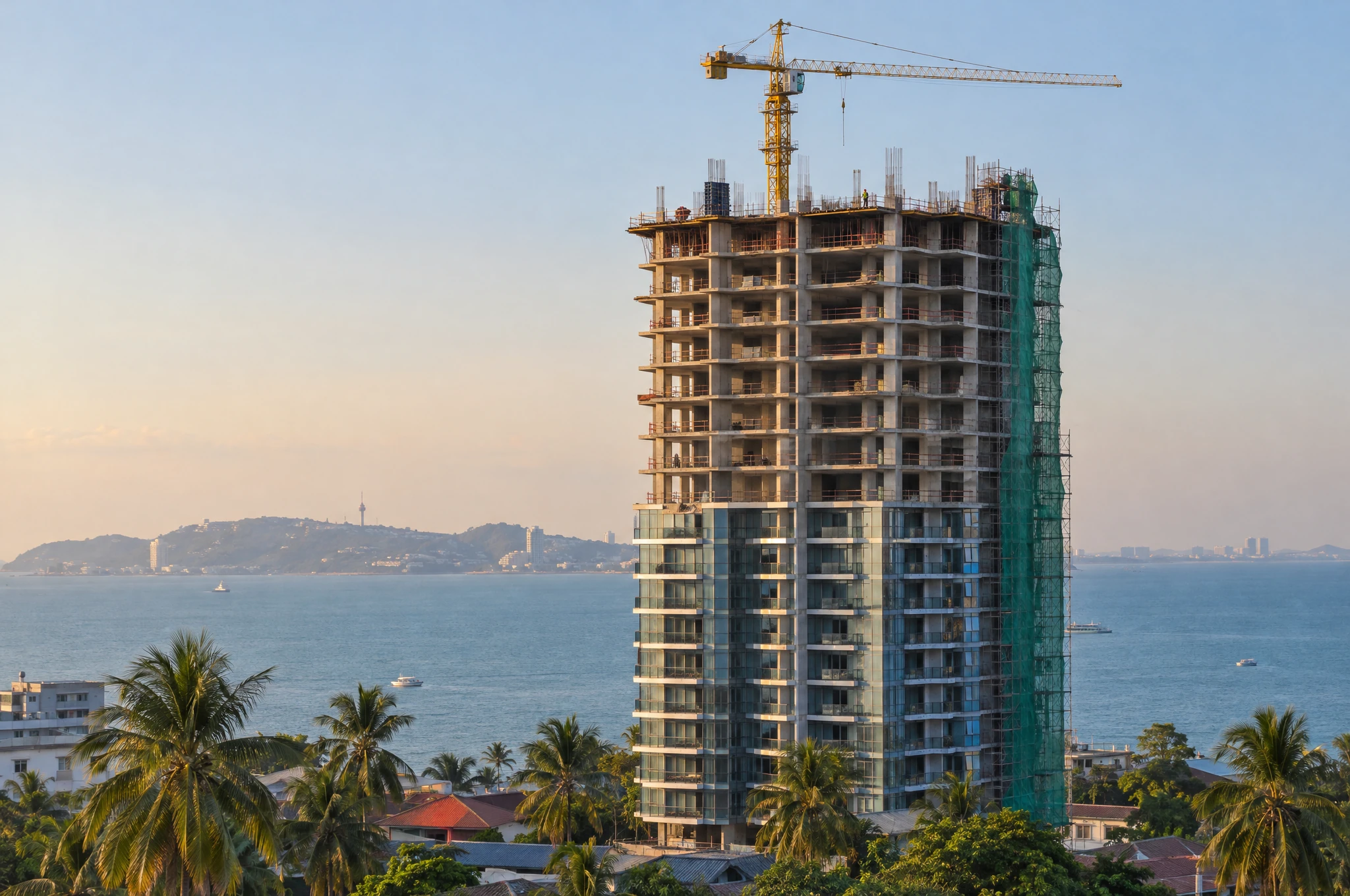
Many developers let buyers make further payments while the building is under construction. These payments can be structured in different ways:
- Monthly instalments. A fixed amount every month over an agreed period.
- Construction milestone payments. Payments fall due when specific stages are reached, such as the foundations, the structure or the finishing works.
- Scheduled payments. The contract sets payment dates regardless of the actual progress on site.
It is important to know which structure applies to your project. A schedule linked to verifiable construction progress can be more transparent than one based only on calendar dates, but the contract must define the milestones and payment obligations clearly.

4. Final payment and ownership transfer
The final payment is usually made when the condominium is completed and ready for transfer. Before the transfer, arrange an inspection of the unit to find any defects or differences from the agreed specifications. The developer should be given the chance to fix the agreed defects in line with the contract.
Plan for additional expenses at this stage, which may include (see extra costs of buying a condo in Pattaya):
- Land Department transfer fee.
- Sinking fund contribution.
- Common area maintenance fee, often collected in advance.
- Electricity and water meter installation.
- Other transfer expenses set by the contract.
Once the payments, documents and conditions are complete, ownership is registered at the Land Department. Foreign buyers should prepare the documents for registering a condo in a foreigner’s name in advance.
Example of an off-plan payment schedule
To show how a payment plan may work, take a condominium with a purchase price of ฿5 000 000. This is an illustration only: it is not a standard schedule and does not represent the terms of any particular development.
| Payment stage | Share | Amount (฿) |
|---|---|---|
| Reservation fee | 2% | ฿100 000 |
| Contract signing | 18% | ฿900 000 |
| Construction instalment 1 | 10% | ฿500 000 |
| Construction instalment 2 | 10% | ฿500 000 |
| Construction instalment 3 | 10% | ฿500 000 |
| Construction instalment 4 | 10% | ฿500 000 |
| Final payment at transfer | 40% | ฿2 000 000 |
| Total | 100% | ฿5 000 000 |
In this example the buyer pays ฿1 000 000 at the reservation and contract stage, then ฿2 000 000 during construction. The remaining ฿2 000 000 is paid at the final transfer.
This lets the buyer plan their finances over time instead of paying the full price at the start. The actual percentages, dates and milestones must always be confirmed in the developer’s contract.
Are off-plan payment plans interest-free?
Many developers offer instalment schedules without interest on the purchase price. However, this should not be assumed. Some projects offer deferred payments or developer financing after completion with different conditions.
Check:
- Whether interest is charged.
- Whether the price changes depending on the payment plan.
- Whether any additional fees apply.
- Whether late payments lead to penalties.
An interest-free schedule makes a purchase more convenient, but the buyer is still financially committed to the contract.
What happens if construction is delayed?
Delays are one of the main risks of off-plan property. The expected completion date should be stated in the Sale and Purchase Agreement, together with any permitted extension and the remedies available to the buyer.
Before signing, understand:
- The contractual completion date.
- Whether the developer has a grace period.
- The consequences of late completion.
- Whether compensation or termination rights apply.
- The conditions and timeline for a refund if the contract is validly terminated.
Do not rely only on the completion date in advertising. The contract and Thai law determine the buyer’s rights and obligations.
How can buyers reduce the risks?
A convenient payment plan does not remove the risks of buying a property that is not yet built. Before reserving a unit, check both the development and the developer.
Check the developer’s track record
Review the developer’s completed projects, construction quality, delivery history and reputation. A history of finished developments is useful when you evaluate a new one.
Review the project documents
Depending on the development, the relevant documents may include:
- Land title documents.
- Construction permit.
- Environmental approvals, where required.
- Project specifications.
- Sale and Purchase Agreement.
- Payment schedule.
An independent Thai property lawyer can review the documents and flag potential issues.
Understand the payment conditions
Do not focus only on the size of the first deposit. Review the full schedule: how much is due before completion, the final balance and what happens if a payment is missed. Pay particular attention to the refund and cancellation terms.
Confirm the foreign ownership quota
Foreign buyers who plan to register a condo in freehold ownership should confirm that the unit can be owned by a foreigner and that enough foreign quota will be available at the transfer. Under the Condominium Act, foreign ownership is generally limited to 49% of the total unit floor area of a registered building. How to check it: the 49% foreign quota.
Prepare the international transfer documents
For a freehold condo in a foreigner’s name, the purchase money generally has to come into Thailand from abroad in foreign currency, and the bank documents, such as the Foreign Exchange Transaction (FET) form, are kept for the Land Department. What is needed depends on the amount and the bank, so coordinate with the receiving bank and your lawyer before the first payment. Details: how foreigners pay for property in Thailand.
Is buying off-plan in Pattaya the right choice?
An off-plan purchase may suit buyers who:
- Want a newly built condominium.
- Prefer to spread payments over the construction period.
- Have the funds to meet the contractual schedule.
- Are comfortable with the risks of construction and late completion.
- Have checked the developer and the project documents.
If you need to move in or rent the unit out right away, a completed condominium may suit you better. The decision should rest on the property, the payment terms, the developer’s credibility and your own finances.
Final thoughts
Off-plan payment plans can make buying a condo in Pattaya more manageable. But the key question is not how much you pay at the start. It is the whole payment structure, the obligations in the contract and the conditions on which the property will be delivered. Understanding these details before you reserve helps you make a better-informed decision.
Transfer fees and taxes are covered in Thailand property taxes in 2026, and ownership rules in can foreigners own property in Thailand.
Looking for an off-plan condo in Pattaya? Browse new developments or write to us: we will compare units and payment plans across projects that match your budget and goals.
This article is general information, not legal, financial or investment advice. Payment schedules and contract terms vary by project. Get independent legal advice before signing a property purchase agreement.